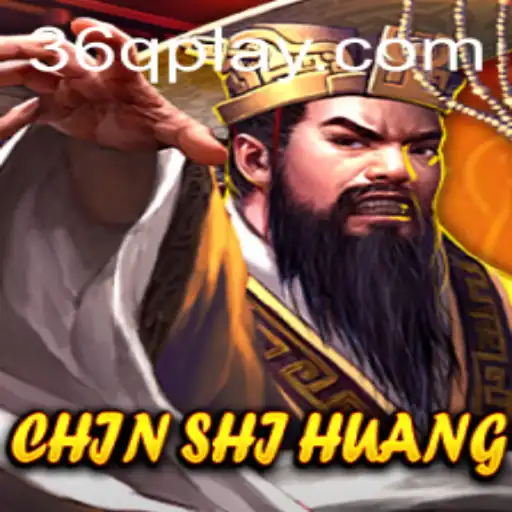
ChinShiHuang: A Dive into the Ancient Strategy Game
ChinShiHuang is a fascinating strategy board game that draws inspiration from one of history's most iconic leaders, the first Emperor of China, Qin Shi Huang. The game brings the grandeur and complexity of his era into a modern context, offering players a unique opportunity to engage with ancient strategies and political intrigue.PGVIP
Introduction to ChinShiHuang
The game ChinShiHuang immerses players in the world of ancient China, specifically during the reign of the Qin Dynasty. As a player, you assume the role of a powerful warlord seeking to expand your influence and establish dominance across the land. With its intricate design and historical grounding, this game appeals to enthusiasts of strategy and history alike.1RR
Released in a time where there's a renewed interest in board games and educational storytelling, ChinShiHuang stands out for its deep immersion into a historical setting. By using the real-life achievements and challenges faced by Qin Shi Huang, such as unifying China and developing the Great Wall, the game creates an authentic backdrop for strategic gameplay.
Understanding the Game Mechanics
At the core of ChinShiHuang is a strategic grid system representing the map of ancient China. Players must navigate this map, deploy resources, and engage in tactical combat to secure critical territories. Each move holds significant weight, and success depends on a combination of foresight, adaptability, and strategic planning.
Central to these mechanics is a unique feature named 36Q, a mysterious element that adds layers of complexity and intrigue to the game. The 36Q concept alludes to the 36 Strategies, a Chinese collection of ancient warfare tactics. In the game, 36Q acts as an expansion set of cards that players can utilize to gain advantages over opponents. These cards offer special abilities, ranging from defensive maneuvers to aggressive offensives, providing players with multiple pathways to victory.
Rules of Engagement in ChinShiHuang
The gameplay begins with each player selecting and customizing their warlord from the available historical figures. Players are then assigned a starting territory on the board, which they must defend while seeking to expand through conquest and diplomacy.567BR
- Players take turns performing three key actions: Resource Management, Movement, and Tactical Play. Efficiently balancing these actions is critical to progressing in ChinShiHuang.
- Resource Management involves securing vital resources like gold and provisions, which are used to recruit troops, build fortifications, and execute the strategies contained within the 36Q cards.
- Movement determines where and how players can deploy their forces. Terrain features such as rivers and mountains add strategic depth, influencing movement and combat outcomes.
- Tactical Play unfolds as players engage in conflicts. Using their warlord’s unique abilities and the 36Q cards, players must outmaneuver opponents, utilizing a mix of direct confrontation and strategic deception.
The game continues until one player achieves the primary objective, often involving total control of the map or accumulating a predetermined number of victory points. The dynamic interplay of decisions and their consequences makes each session of ChinShiHuang a fresh and challenging encounter.
The Role of 36Q in Modern Strategy Gaming
The inclusion of 36Q in ChinShiHuang not only reinforces historical authenticity but also highlights parallels to modern strategy gaming dynamics. In today's gaming landscape, this resonates well, particularly when current events spotlight the importance of strategic foresight and adaptability in uncertain times.
Incorporating 36Q encourages players to think like ancient strategists, drawing lessons from centuries-old techniques to tackle modern challenges. This aspect shines when considering recent global events, where strategic planning and adaptation are imperative for navigating shifting political, economic, and social landscapes.9000.com
The educational potential of ChinShiHuang is considerable, offering players insight into the strategic thinking that has shaped human history. It poses relevant questions about leadership and decision-making that remain pertinent today. As players navigate the game's challenges, they are subtly encouraged to draw parallels between the past and present, fostering a deeper understanding of how historical strategies remain relevant in contemporary contexts.xxvip